
The question usually comes up at an awkward moment. A driver has just been quoted for a colour change, the figure is higher than expected, and the obvious thought follows: is this really worth it, or am I paying a premium for something a can of paint could do?
It is a fair question, and the honest answer depends on what you expect the film to do for you. White protection film is neither a luxury gimmick nor an automatic bargain. It is a product with clear strengths, some real limitations and a cost that makes more sense for some owners than others. Looking at it from a few different angles makes the decision much easier.
Start With What You Are Actually Buying
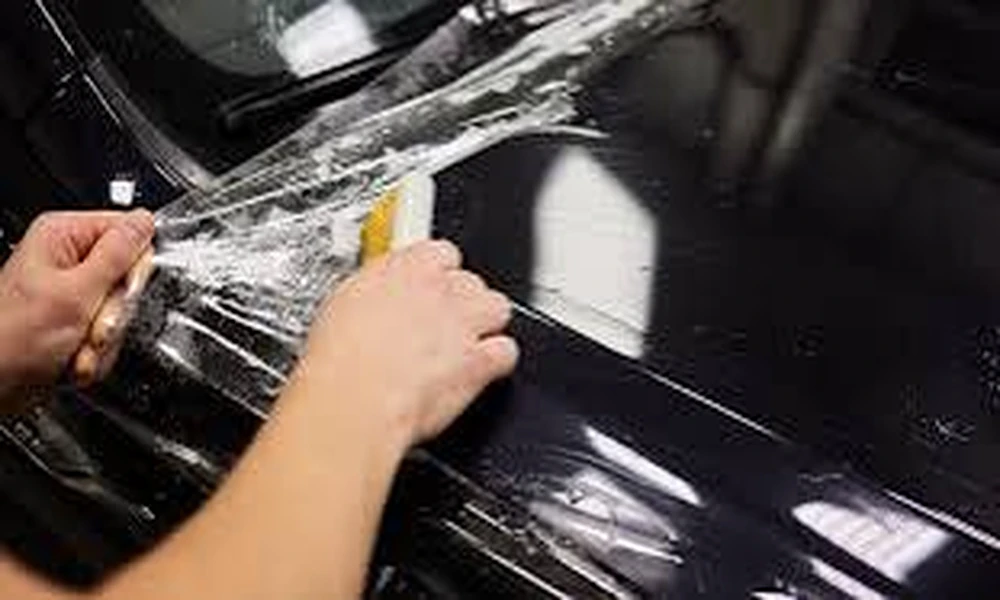
A coloured protection film is two things at once. On the surface, it is a new colour and finish for the car. Underneath, it is a protective layer, usually made from thermoplastic polyurethane, that absorbs small impacts and shields the original paint from sunlight, chemical contaminants and light scratches.
That dual role is where much of the value comes from. If you only wanted a new colour, a vinyl wrap would usually cost less. If you only wanted protection, clear film would do the job without changing the look. A white ppf combines both, and the price reflects that combination rather than either benefit alone.
Judging it purely as a colour change, it can seem expensive. Judging it purely as protection, it can seem unnecessary. The calculation only makes sense when both are counted.
The Case For It
Your paint is preserved, not replaced
A respray removes or covers the factory finish permanently. Film sits on top and can be removed later. For many owners, especially those with newer cars, keeping the original paint in good condition is a significant part of the vehicle’s long-term value.
White chips are easy to see
On a white car, a stone chip often reveals darker primer or metal, which stands out more than it would on a dark colour. A protective layer reduces how often the bonnet and front bumper collect those small marks.
The change is reversible
Tastes change. Circumstances change. A car you love in white today may be one you want to sell in its original colour in three years. Film allows that without a second respray.
Light marks are less of a worry
Many quality films include a top coat that allows fine scratches to soften with heat. It does not make the car scratch-proof, but it reduces the slow accumulation of swirl marks that dulls a finish over time.
The Case Against It
A balanced decision needs the downsides too.
Cost is the first. A full colour change with protective film is a significant investment, often higher than a vinyl wrap and sometimes comparable to a quality respray. Owners on a tight budget may get better value from protecting only the high-impact areas with clear film.
Lifespan is the second. Film does not last forever. Depending on climate, parking conditions and care, it will eventually need replacing. Owners who keep cars for a very long time should factor that into their thinking.
Installation quality is the third. A poor installation can leave visible edges, lifting corners or bubbles. Because colour change film covers the whole car, these flaws are more noticeable than on a small clear film panel.
Finally, there is the maintenance shift. Film is not difficult to look after, but it does reward gentle washing and quick removal of contaminants. Owners used to running through automatic brush washes may need to change their habits.
Who Tends to Get the Most Value
Certain owners consistently get more out of white film than others.
Drivers of new or nearly new cars benefit because the paint underneath is in excellent condition and stays that way. When the film eventually comes off, the car still looks close to new.
People who lease vehicles may find it useful if the lease allows it, since the original colour can be restored before return. This is worth confirming with the leasing company first.
Owners who plan to sell within a few years often see value in presenting factory paint in good condition. A car that looks well cared for is generally easier to sell.
Enthusiasts who want a fresh look without a permanent change appreciate the flexibility. They can enjoy white now and decide later.
By contrast, owners of older cars with tired or damaged paint may find the investment harder to justify. Film follows the surface beneath it, so existing chips and peeling clear coat should be repaired first, which adds to the cost.
How to Judge the Price You Are Quoted
Quotes vary widely, and the cheapest is rarely the best value. A few factors explain most of the difference.
The quality of the film itself matters. Better films resist yellowing, cracking and staining for longer, and they tend to come with clearer warranty terms.
The amount of coverage matters too. Wrapping door jambs, inner edges and complex trim takes far more time than covering visible exterior panels only. Ask exactly what is included.
Installer skill is the third factor. Experienced shops charge more partly because they produce cleaner edges, fewer seams and better long-term adhesion. Ask to see previous colour change work, ideally on cars that have been on the road for some time.
Warranty terms are worth reading carefully. Look for coverage on fading, cracking, peeling and adhesive failure, and ask how claims are handled in practice.
A Middle Path Some Drivers Overlook
Not every decision has to be all or nothing. Some owners combine options to manage cost.
One approach is to apply white film to the most visible panels while adding clear protection to high-impact areas. Another is to begin with a partial colour change, such as the roof or bonnet in a contrasting finish, before deciding on a full wrap. A third is to wait until a car is due for paint correction anyway, then add film once the surface is in top condition.
Each of these reduces the upfront investment while still delivering some of the benefits.
So, Is It Worth It?
For a driver who values both appearance and long-term condition, plans to keep the car looking good for several years and is happy to follow a sensible washing routine, white protection film often justifies its cost. The combination of a new look, real paint protection and the ability to reverse the change is difficult to achieve any other way.
For a driver who only wants the cheapest way to change colour, or who owns a car with paint that already needs significant repair, the numbers are less convincing.
The most useful step is to be clear about your own priorities before collecting quotes. Once you know whether protection, appearance or flexibility matters most, it becomes much easier to decide whether the price in front of you represents good value.